
It’s about telling a story that feels real and personal.
When studios offer wedding video editing services today, they’re not just cutting footage together anymore. Couples want something that feels cinematic, something they can share on Instagram the next day, and honestly, they don’t want to wait months to relive their big day.
That’s pushing the whole industry forward. New wedding video editing trends are popping up left and right, and if you’re not keeping up, you’re falling behind.
Everything from AI tools to those quick 60-second teasers is changing how we create and deliver wedding films. Studios like Eterna Edits are right in the middle of it, figuring out how to work faster without losing that personal touch.
So let’s dive into what’s actually trending in wedding video editing as we move through 2026.
1. AI-Powered Editing for Faster Wedding Film Delivery
AI is changing how wedding films get edited, and it’s making everything faster.
Editors don’t manually comb through hours of footage anymore. AI tools paired with Adobe Premiere Pro and Final Cut Pro can spot key moments, vows, first looks, and speeches. That speeds up the whole workflow.
In 2026, faster delivery is one of the biggest wedding video editing trends. US couples expect their videos in days, not weeks. AI makes that possible without losing quality.
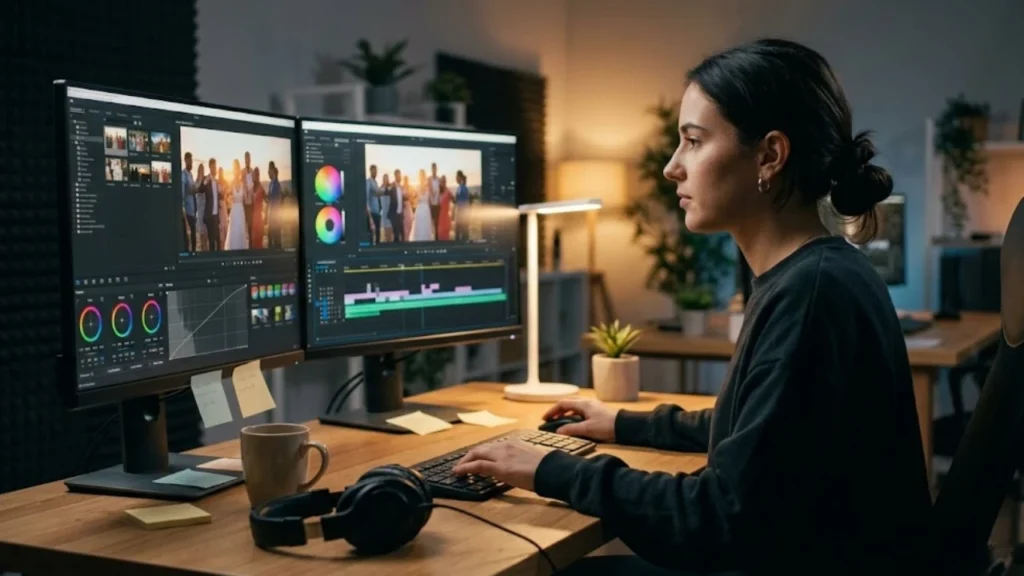
It also handles color correction, audio syncing, and rough cuts. So editors can focus on storytelling instead of repetitive tasks.
For companies like Eterna Edits, this means delivering quality films at scale while staying consistent. It’s also why many studios are pairing AI with outsourcing to keep up with demand without compromising results.
2. Short Wedding Teasers & Instagram Reels
Short-form content isn’t optional anymore; it’s expected. Couples want something they can post right away.
One of the top wedding film editing trends right now is quick teaser edits made for Instagram and TikTok.
Wedding Teaser Videos
Teasers run about 30 to 60 seconds and pull the best moments from the day.
They’re usually ready within days of the wedding. That keeps the energy going and gives couples something shareable while they’re still buzzing.
Instagram Reels & Social Edits
Vertical video is a must now. Editors build reels that work perfectly on mobile.
These clips move fast, hook viewers instantly, and lean into emotion. They’re built to stop the scroll.
3. One Wedding, Multiple Video Deliverables
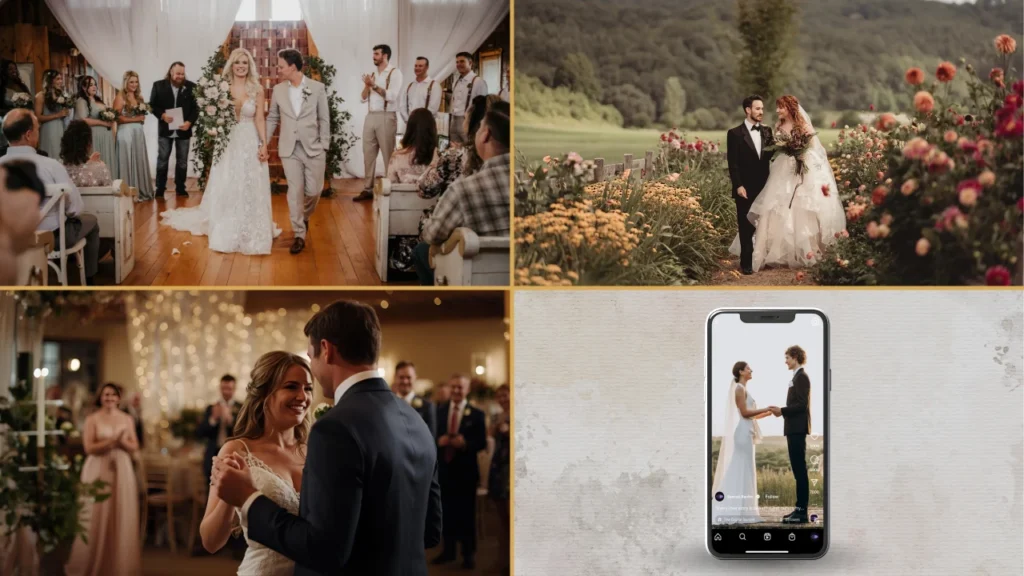
In 2026, one wedding film isn’t enough. Couples want options. That’s why multiple deliverables from the same footage is now a major wedding video editing trend.
It gives couples different ways to experience their day.
Common Wedding Video Deliverables
- Full Wedding Film (20-60 minutes): The complete story. Ceremony, vows, speeches, all of it.
- Highlight Film (3-5 minutes): Cinematic best-of. Usually, the most rewatched.
- Teaser Video (30-60 seconds): Quick preview delivered fast. Great for sharing right after.
- Social Media Edits (Vertical Format): Short clips for Instagram Reels and TikTok. Built for mobile.
- Ceremony & Speech Edits (Full-Length): Full uncut versions of the big moments.
Managing all these formats takes time, which is why outsourcing wedding video editing services has become such a practical move for studios.
This trend helps editors get more from the same footage while giving couples more ways to relive it all.
4. Cinematic Storytelling with Authentic Moments
Wedding films in 2026 feel more emotional because they’re more real. One of the key wedding video editing trends is leaning into unscripted moments instead of posed shots.
Couples want that documentary vibe now. Natural reactions, real laughter, candid glances, that’s what makes a film feel personal. Editors build the whole story around those moments.
And it’s not just about the visuals anymore. Real audio drives the narrative. Vows, toasts, background chatter, it all adds layers.
The goal is straightforward: make it feel genuine and timeless. Clean cuts, natural pacing, and moments that matter create something couples will actually want to watch years from now.
5. Vertical Mobile-First Wedding Videos
People watch everything on their phones now. One of the most obvious wedding post-production trends is the move to vertical formats.
Couples expect videos that look right on mobile. That’s changed how footage gets framed and edited.
Vertical Video Format
Editors shoot and crop in 9:16 now. It fills the whole screen with no black bars.
Key moments stay centered, so nothing important gets lost in the crop.
Optimized for Social Platforms
Wedding videos are built for Instagram Reels and TikTok. Those platforms reward vertical, snappy content.
Clips with strong openings do better. Clean edits and quick cuts keep people watching.
6. Same-Day Edit (SDE): Fastest Growing Wedding Video Editing Trend
Same-day edits are becoming a premium offering in 2026. This is one of the fastest-growing wedding video editing trends in the industry.
Couples love seeing a short film of their day during the reception. It creates a powerful emotional moment for both the couple and their guests.
What Is a Same-Day Edit?
A same-day edit is a short video created and delivered within hours of the event. It usually includes key moments like getting ready, the ceremony, and early highlights.
Why It’s So Popular
It adds excitement to the wedding experience. Guests get to relive the day instantly. It also makes the event feel more cinematic and memorable.
Drone Shots & Aerial Cinematic Sequences
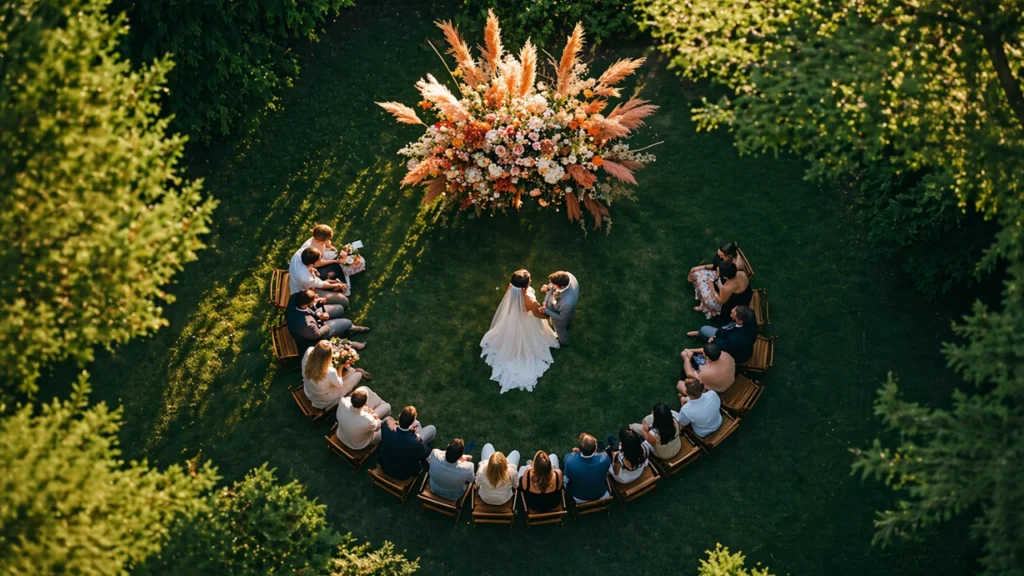
Drone footage is now a key part of modern wedding films. One of the rising video editing trends is the use of aerial shots to create a cinematic feel.
These shots add scale, beauty, and a sense of storytelling that ground footage cannot always capture.
Where Drone Shots Are Used
- Venue Establishing Shots
Wide aerial views show the full location. They set the tone of the wedding film. - Outdoor Ceremonies
Perfect for beach, garden, or destination weddings. Captures the setting beautifully. - Couple Portraits
Adds a cinematic touch to romantic moments. Makes the visuals feel more dramatic. - Transition Shots
Smooth aerial clips help connect different parts of the film.
Why It Matters
- Creates a more cinematic experience
- Adds visual variety to the edit
- Enhances the overall storytelling
8. Advanced Color Grading for Romantic Aesthetics
Color grading plays a big role in how a wedding film feels. In 2026, one of the key video editing trends is creating a distinct visual mood through color.
Editors are moving beyond basic correction. They are using tones that match the emotion of the wedding day.
Popular Color Styles
- Warm and Golden Tones
Creates a soft and romantic look. Ideal for outdoor and sunset weddings. - Light and Airy Aesthetic
Bright visuals with natural colors. Gives a clean and elegant feel. - Moody and Cinematic Look
Deeper shadows and contrast. Adds drama and depth to the film.
The right color grading service makes the film feel more polished. It also helps create a timeless look that couples will enjoy for years.
9. Vow & Speech Audio-Driven Storytelling
Audio is now a core part of wedding films. One of the most powerful wedding video editing trends is using real voices to drive the story. Editors are focusing on vows, speeches, and natural sounds to create emotional depth. Instead of relying only on music, these elements help build a stronger connection.
In 2026, wedding videos feel more personal because of this approach. A heartfelt vow or a meaningful speech can shape the entire film. It adds context and makes each moment more impactful.
Clean audio editing is also important. Clear sound, balanced levels, and smooth transitions make the film feel more professional and immersive.
10. Personalized Editing Styles for Every Couple
Every couple wants something unique. In 2026, one of the most important wedding video editing trends is personalization. Wedding films are no longer one-size-fits-all.
Editors are creating styles based on the couple’s personality. Some prefer a cinematic look, while others want a more documentary feel. Music, pacing, and color choices are also customized.
This approach makes each film feel more meaningful. It reflects the couple’s story instead of following a fixed template.
Personalized editing also helps create a stronger emotional connection. The final video feels more authentic and memorable.
Conclusion
Wedding video editing in 2026 is evolving fast. From AI-powered workflows to personalized storytelling, these video editing trends are shaping how modern wedding films are created.
For videographers and studios in the US, keeping up with these trends can be challenging. Faster delivery, multiple formats, and high-quality edits require both time and resources.
This is where outsourcing becomes a practical solution. It allows studios to scale their work, meet deadlines, and maintain consistent quality without increasing internal workload.
By adapting to these changes and using the right support, creative teams can focus more on shooting and storytelling while delivering better results to their clients.
To stay competitive in 2026, studios need faster delivery, scalable workflows, and consistent quality.
Partnering with a professional team like Eterna Edits helps you outsource wedding video editing efficiently, reduce turnaround time, and handle more projects without increasing internal workload.